Archive for the ‘Uncategorized’ Category

10 Ways to use business awards as a winning brand building and marketing strategy

Posted: November 18th, 2025 | Posted in Uncategorized |

Love them or loathe them, awards are a powerful marketing tool for any business willing to put themselves forward. As a small business owner myself, I’ve experienced firsthand how entering (and winning) awards helped build not only two strong business brands but also elevated my personal brand in the process.

Using awards as a winning brand building strategy

I ran a boutique branding studio for 22 years, and during that time we won over 20 awards. That’s not a humblebrag – it’s a testament to the strength of a clear, consistent marketing strategy that boosted our exposure, positioning and credibility.

From small business accolades to innovation and design awards, each one reinforced our brand story. We were proud to be known not just as a multi award-winning studio, but also as the only one in Western Sydney to win four Sydney Design Awards – a powerful positioning statement when attracting new clients.

My other business, The Creative Fringe, has also stacked up its own honours: innovation awards, staff awards, and recognition in the Top 100 Coolest Companies. Add to that a few personal wins – two Penrith Business Person of the Year awards and being named Mulgoa Woman of the Year – and you can see just how strategic award entries can shape a brand’s public perception.

So how do you actually use awards to your advantage – even if you don’t win?

Here are 10 practical ways to leverage awards for your brand:

1. Treat awards as a marketing opportunity

First and foremost, awards are marketing. Don’t take them too personally. Think of them as a campaign – budget time, resources, and energy as you would any promotion. Submissions always take longer than expected, so start early, give yourself room to refine your answers, and always get another set of eyes on it.


2. You’ve got to be in it to win it

You can’t win if you don’t enter. Start small with local or community awards to build confidence. When writing your submission, don’t hold back – this is your moment to shine. Highlight the little things that make you different, even if they feel like “just what you do”.


3. Ask for votes

If voting is involved, spread the word. Use your socials, email newsletters and networking groups to encourage people to vote. It may feel awkward, but it’s a great excuse to remind people of your work and invite them to be part of your journey.


4. Finalist? Flaunt it!

Being named a finalist is still a big deal – shout it from the rooftops. Share the news on social media, in your newsletter and with your local press. Use phrases like “gala dinner” or “awards night” to add weight. Any engagement you generate helps boost brand awareness.


5. Build buzz before the event

On awards night, start the story early. Post photos of yourself or your team getting glammed up. Wish yourself luck and invite your audience to follow along. These pre-event moments create connection and anticipation.


6. Celebrate others

Did someone else take out the win? Celebrate them. Tag fellow nominees or winners and share their success. It expands your reach, builds goodwill, and shows you’re connected to a thriving community. Remember, being associated with winners still boosts your brand.


7. If You Win – Go Big

If you’re lucky enough to win, it’s all systems go. Post widely and vary your content across channels. Candid, joyful shots often outperform the official photos, so share the real emotion of the night. Don’t forget the hashtags – they’ll help others find and share your win.


8. Maximise the momentum the next day

The day after your win is prime time to activate:

  • Press release: Include award name, competition highlights, what it means to you and a strong quote. Make it easy for local media to run the story.

  • Winners’ badge: Add it to your website and email signature.

  • Special offer: Create a celebratory promo tied to the win – this gives people a reason to engage.

  • Celebrate properly: Team lunch, bubbles with your family, or a solo reward – mark the moment.

  • Use your bragging rights: “Award-winning business” has impact. If you’ve won more than your competitors, say it. Position yourself as “the most awarded [your category] in [your area]”.


9. Turn it into content

Write a blog (like this one). You’ve already taken the photos, shared the updates – now bring it all together in a longer format. Recap the experience, thank your peers and reflect on what the journey meant for you and your business. Share your blog widely and link back to your site.


10. Repurpose across the year

Don’t let the win fade. Use your award win or finalist status across multiple touchpoints throughout the year:

  • Mention it in your email newsletter footer

  • Include it in proposals and client onboarding packs

  • Add it to your social media bios or LinkedIn headline

  • Drop it into pitches or presentations as a credibility builder

  • Reflect it visually in updated brand assets

You’re not just a one-time winner – you’re building a reputation. So use that recognition to reinforce your brand positioning consistently.


Whether you’re flying solo or running a growing team, entering awards is a smart move to position your brand, elevate your credibility, and set yourself apart from competitors.

And if you win? Even better. Just remember – it’s not personal, it’s all marketing.

Australia Day or Invasion Day?

Posted: January 24th, 2025 | Posted in Uncategorized |

As a South African who has made Australia my home for the past 25 years, I’ve come to appreciate the rich cultural tapestry that defines this country. But I’ve also witnessed the complexities surrounding Australia Day and its celebration on 26 January.

In my homeland, we faced our own journey of reckoning with history, striving to honour diverse cultural heritages while addressing the injustices of the past.

From this perspective, I’d like to explore the significance of Australia Day, the date of 26 January, and why understanding its impact on First Nations Australians is essential for creating a more inclusive national identity. This is not a political post – simply my musings on this very divisive topic that rears it’s ugly head at this time year – every year. So if this is not for you, simply hit delete. But if you are curious as to how as a nation we could potentially do better, then please read on.

Not a date to celebrate - Australia Day 26 January

For those of you not quite on top of this debate, here’s a bit of history. Australia Day which is currently on 26 January commemorates the arrival of the First Fleet at Port Jackson in 1788 and the establishment of a British colony in what is now New South Wales. It’s a moment for barbecues, citizenship ceremonies, and community connection.

Yet, for First Nations Australians, the date represents something very different. It marks the beginning of colonisation, the loss of land, culture, and lives, and the disruption of a civilisation that has existed for more than 65,000 years. To celebrate the “founding” of Australia on 26 January is to erase this profound history and the ongoing impacts of colonisation.

As someone who has experienced a multicultural society grappling with its colonial legacy, I understand how vital it is to honour the heritage of those who came before us. Australia’s Aboriginal and Torres Strait Islander peoples are the world’s oldest continuous cultures, and their history deserves recognition and respect, not overshadowing.

Australia Day or Invasion Day - change the date

If I look at Australia as a brand, I would describe it as The Neighbour Brand Personality – down to earth, dependable and welcoming. The Australian culture is a vibrant tapestry woven from its diverse population and rich history. At its heart, Australian culture reflects values of egalitarianism, mateship, and community.

But this debate every year just doesn’t fit the narrative.

Interestingly, the first official Australia Day was celebrated on Friday, July 30, 1915. It was held to raise funds for World War I. In 1916, the committee that organised the war fundraising effort decided to hold Australia Day on July 28. It was only in 1935 that all of Australia’s states agreed to celebrate Australia Day on January 26.

Australia Day should be a date for everyone to celebrate

My question is, why continue to celebrate a date that brings so much pain to the original owners of this land? Why not simply change the date, so that all Australians can celebrate together? I would imagine that any other date in the 365 we that we have on offer will do. It has been changed before, so why not again?

Surely those in power can liaise with Elders and pick a date that works for everyone. Let’s be real, the reason why most of us enjoy Australia Day is because we get to have a day off work – not because of the date.

PS: I’m in favour of a July/August date as we don’t have any public holidays then and I could do with a day off. Seems like as good a reason as any to change it to me.

My Top 5 Brand Predictions for a successful 2025

Posted: December 29th, 2024 | Posted in Uncategorized |

As 2025 approaches, the branding landscape continues to evolve, driven by shifting consumer behaviours, technological advancements, and a growing emphasis on authenticity. Taking my crystal ball and looking into the future I have identified 5 key trends that I believe will shape the way businesses approach branding this coming year.


1. Branding Beyond the Logo

With the rise of social media and content consumption at a record high, business owners have become increasingly aware that branding is far more than a logo or visual identity. This trend has ensured that it is not just the seasoned business owner that is realising that branding is about reputation building, a company’s values, mission, and personality rather than just a consistent colour palette.  This broader understanding is reshaping branding strategies, with more emphasis on creating a cohesive narrative across all touch-points, which is great for the longevity of a brand.

Branding now incorporates everything from customer experience to the tone of communication, ensuring that every interaction reflects the brand’s essence. This shift allows businesses to connect more deeply with their audience, fostering trust and loyalty – and businesses are slowly starting to embrace this. Brands that intimately know and understand their Brand Personality will be able to create far more human centric connections which will lead to repeat business and raving fans. With better understanding of what a brand truly is, we will see those that focus on their brand values, personality, brand experience, culture and consistency soar to much greater heights than their competitors.


2. Challenges and Opportunities with Technology in Branding

Trump had some AI generated images of him with Black constituents created that were found out to be fake.

AI is revolutionising branding, but the transition is not without challenges. 2025 will witness a mix of successes and pitfalls as businesses grapple with its proper use. Many businesses are still struggling to use AI tools effectively. I predict the continuation of bland copy from 2024, mismatched AI-generated visuals, and poorly executed rollouts will dominate the early part of the year due to a lack of understanding of how to prompt AI effectively. This lack of education in crafting prompts for AI tools will dilute a brand’s impact, cause confusion and mistrust as to what is real and what is not. The ubiquitous use of Canva templates and short-cuts using easily accessible and widely used free stock images and videos will also add to the disillusion of a brand.

This will open up opportunities for the brands that are producing their own content and are able to consistently present their brand with personality and authenticity.

However, as the year progresses, not only will education around AI tools improve, but more businesses will embrace the tool and learn to use it as just that – a tool, and not a magic bullet to solve everything. Businesses will learn to harness these technologies to create content that aligns with their brand identity, ensuring their use enhances rather than hinders their branding efforts. The trick with using AI in branding for 2025, is to make it look as though AI hasn’t been used at all.


3. The Importance of Relationships

In 2025, human connection will become the cornerstone of successful branding. Businesses that prioritise building relationships with their audience will gain a competitive edge. Personal interactions foster trust, credibility, and a sense of community, which are critical for long-term loyalty.

Face-to-face engagement is key, so I recommend that you pop into your brand strategy, personal ways to connect with your customers – whether through events, retreats, or live social media interactions. Video content will continue to dominate, offering businesses a way to authentically communicate with their audience. Customers want to see and hear from the people behind the brand, which helps establish genuine rapport.

If you can’t do face-to-face, then creating an experience that feels tailored to the client is your next best option. Shein do this very effectively but encouraging shoppers to share reviews and images of themselves in the products that they have bought. Their algorithms then ensure that the additional products that are delivered to you are based on previous views keeping you on their platform for longer but also showing you more products that appeal to you.


4. Leveraging Relationships for Growth

Building strong relationships is only the first step; leveraging them effectively is going to be equally as important in 2025. Strategies such as creating affiliate options, partnerships, and collaborations will play a significant role in expanding brand reach. Businesses that work with others to share audiences and resources will find greater success in a crowded market.

Word-of-mouth marketing will also remain a powerful tool. Engaged and satisfied customers will be your best advocates, spreading positive messages about your brand to their networks. By fostering strong relationships with existing clients, businesses can create a ripple effect, drawing in new customers through genuine recommendations.


5. Cause-Based Branding

Brands aligned with meaningful causes are resonating more with consumers, and this trend will only grow stronger in 2025. A clear association with a cause allows businesses to market their values rather than focusing solely on products or services. Customers increasingly seek brands that reflect their personal beliefs and are making a positive impact on the world.

The Creative Fringe handing over blankets as part of the TOTS Blanket Challenge

Coworking space, The Creative Fringe are community focused and although a very small part of their community may use the office desks that they have available, they still want to be an important part of engaging and helping where they can. They have created a TOTS Blanket Challenge that runs annually where they encourage people to knit or crochet 20x20cm squares that are then joined together and donated to those most in need in the community. They get to engage with people on a creative basis who love to knit, crochet or sew while doing good for the homeless, domestic violence survivors, youth in crisis and cancer patients.

Whether addressing environmental sustainability, social justice, or community development, cause-based branding builds deeper emotional connections. Businesses that authentically integrate a cause into their operations and messaging will differentiate themselves and attract like-minded clients.


My 2025 predictions highlight 5 key areas for businesses to focus on in the coming year:

  1. Holistic Branding: Recognise that branding is an overarching strategy, encompassing all elements of a business’s reputation.
  2. AI Expertise: Invest time and resources in learning how to use AI tools effectively to create impactful and cohesive content that doesn’t look or sound AI produced.
  3. Human Connection: Build trust and loyalty by fostering genuine relationships with customers through personal interactions.
  4. Leverage Relationships: Expand reach by collaborating with others and leveraging the power of word-of-mouth marketing.
  5. Value-Driven Branding: Align your brand with a cause that resonates with your audience to create lasting emotional connections.

My overarching message for 2025 is simple: authenticity, meaningful engagement, and a strong sense of purpose will produce the most impactful brands.

Get these random brain-farts and other interesting branding bits and bobs directly in your in-box. Join here.

Why Great Branding Is Just Like Catching Up with an Old Friend

Posted: December 10th, 2024 | Posted in Uncategorized |

Have you ever caught up with an old friend after years apart, only to find the connection feels just as strong as it always was? This is what last night was like for me. Jodie and I met when I was in my final year of school in South Africa. Jodie was an Australian exchange student who joined our school for the year and became a firm friend. Decades passed without any correspondence, until one day out of the blue, I got a message on Facebook from her asking to connect. We have stayed in touch ever since, but life has been busy and although I now live in Australia, we hadn’t caught up face to face for nearly 11 years.

The amazing thing however was that the conversation flowed effortlessly, memories bubbled to the surface, and it felt like no time had passed at all. Friendships like these remind us of the rare, enduring relationships that stand the test of time. But here’s the thing: this kind of connection doesn’t just happen in personal relationships. I’m reminded time and time again that it’s the hallmark of great branding.

Much like friendship, branding is all about building meaningful, authentic connections that keep people coming back, no matter how much time has passed. Let’s explore how the art of branding mirrors the dynamics of a lasting friendship and what we can learn from this powerful metaphor.

1. The Spark: First Impressions Matter

Think back to the moment you met a lifelong friend.  There was something about them that stood out – perhaps their warmth, humour, or shared interests. In our case, Jodie and I were about 17 years old. She was hard to miss – a tall, gorgeous brunette with a fabulous Aussie accent. She also happened to be genuinely interested in us and the country she had been sent to. Keep in mind, that South Africa was still in it’s apartheid era, so it was a big cultural change for her. However, Jodie not only embraced the experience, she spent time getting to know us all.

In branding, this initial connection is equally critical. Your brand’s first impression, whether through its visuals, messaging, or products, sets the stage for everything that follows.

Creating a “spark” in branding means being clear, compelling, and aligned with your audience’s values. Does your logo evoke curiosity? Does your messaging speak to your ideal customer? Just like meeting a friend, the first encounter should feel inviting and authentic, leaving people eager to learn more.

2. Shared Values: The Foundation of Trust

The strongest friendships are built on shared values – mutual respect, understanding, and a common perspective on what matters in life. Here we were, a bunch of 17 year olds, bumbling out way through our final and rather stressful year of school. We still found time for fun, youthful shenanigans and a zest for life and adventure. This shared experience and our similar outlook on life, meant that Jodie slotted right into our friendship group.

Branding works the same way. Your audience wants to see that your brand stands for something, whether it’s sustainability, innovation, or empowerment.

Trust in a brand grows when people see their values reflected back to them. They want to know that buying from you isn’t just a transaction—it’s a choice that aligns with their identity. This alignment is what transforms a casual customer into a loyal advocate.

3. Consistency: The Glue That Holds It All Together

Have you ever had a friend who was unreliable or inconsistent? Chances are, that friendship didn’t last long. The same is true for branding. People gravitate towards brands that are dependable and consistent in their quality, tone, and experience.

Consistency builds familiarity, and familiarity breeds trust. Whether it’s your website, social media, or packaging, everything should feel cohesive and aligned. Like a friend who always shows up with the same warmth and energy, a consistent brand becomes one people can count on.

4. Nurturing the Relationship

Strong friendships don’t thrive on autopilot – they require care, communication, and attention. Even though Jodie and I didn’t see each other for years, we still connected on Facebook and had phone calls over time. I’ve always been astounded at her ability to remember details that I had often forgotten about. Jodie’s memory serves not only to demonstrate that she listens deeply to conversations, but that she also shows a genuine interest in what’s going on in my and my families lives.

Brands that build lasting connections understand the importance of nurturing their audience. This means listening to feedback, showing appreciation, and staying present in your customers’ lives, even if they aren’t actively buying from you.

Loyalty programmes, engaging content, or simply acknowledging your customers’ milestones can go a long way in maintaining the bond. The goal is to stay top of mind in a way that feels genuine and personal.

5. Picking Up Where You Left Off

When you meet a trusted friend after years apart, there’s no awkwardness, no need to rebuild what you once had. That’s because the relationship was built on a foundation of trust and mutual respect. There is also a level of familiarity as Jodie intimately knows and understands where I come from, so has a much stronger connect with me to other Australians that I have met in my 25years of living in Australia.

Similarly, great brands create a connection so strong that even if customers take a hiatus, they’ll feel welcomed back without hesitation.

Consider iconic brands like Apple or Nike. Even after years of not purchasing from them, you’d likely return to them with confidence because their identity and quality have remained intact. They’ve maintained their “friendship” with you, even in your absence.

6. The Emotional Connection: Beyond the Transaction

The best friendships – and brands – make us feel something. They evoke joy, comfort, and inspiration. It’s this emotional resonance that creates loyalty and advocacy.

Think about the brands you love most. It’s not just their products or services that stand out—it’s how they make you feel. Whether it’s the excitement of unboxing, the pride of supporting their mission, or the delight of exceptional customer service, these emotions are what keep you coming back.

7. Evolving Together: Staying Relevant

Friendships evolve as people grow and change, and brands must do the same. Staying relevant doesn’t mean abandoning your roots – it means finding ways to adapt and innovate while remaining true to your core values.

Brands that evolve successfully keep their audience engaged and inspired. They listen to what their customers need and find creative ways to deliver it. This agility keeps the relationship fresh and exciting, ensuring it stands the test of time. In saying that, Jodie and I had such a great time reconnecting, we have vowed not to wait another 11 years before seeing each other again – no matter how easy it was for us to pick up where we left off.

My Final Musings

Building a brand that feels like a lifelong friend isn’t about flashy marketing or clever gimmicks. It’s about creating authentic, meaningful connections rooted in trust, consistency, and shared values. Just like with friendships, the goal is to inspire loyalty, foster genuine affection, and leave people feeling better for having known you.

So, how will you build a brand that feels like an old friend? Start with heart, lead with integrity, and always strive to create experiences that resonate deeply. The result will be a brand that your audience cherishes – one they’ll return to time and time again, no matter how much time has passed.

Let’s create brand magic.


A black shell and a brand

Posted: October 30th, 2024 | Posted in Uncategorized |

Why a black shell made me think of branding

Building a Brand That Stands Out

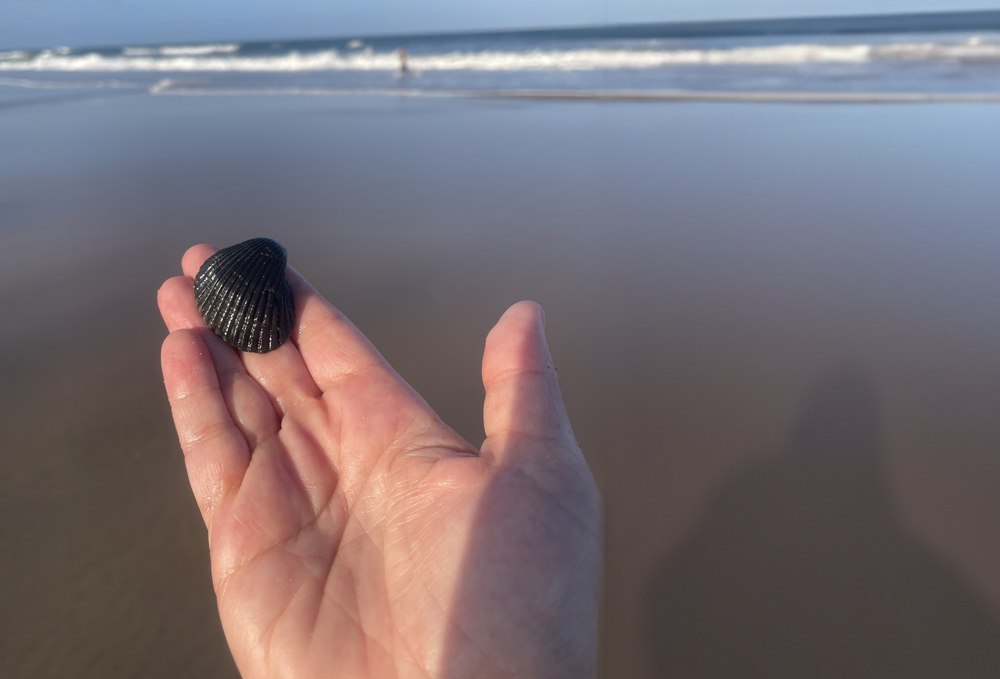
A few days ago, as the sun was setting, I went for a walk along the beach. The sky transformed from light blue to warm pinks and soft purples, casting a beautiful glow across the sand and water. The waves were gentle, occasionally rolling over my feet as I strolled along, taking in the peaceful, rhythmic sounds of the surf. As I looked down, I noticed countless small, white shells scattered all over the sand, each one nearly identical to the next. But then something unusual caught my eye. Among the sea of white shells, I spotted one that was jet black. Same size, same shape, yet it stood out against the rest.

I stopped and picked it up. There was nothing particularly special about its texture or weight, but it was different. I felt drawn to it and decided to keep it, appreciating its uniqueness and the way it had captured my attention. As I held that black shell, I realised that what I had just experienced was exactly what we’re all trying to achieve with our brands.

Creating a Memorable Brand Presence

In branding, we want to be like that black shell—a standout in a crowded space. In a world filled with options that look and feel so similar, it’s often hard to capture anyone’s attention, let alone make a lasting impression. Yet, as with that shell, small differences can be transformative. What made the black shell memorable wasn’t its size, shape, or texture but its unexpected colour and uniqueness amongst the sameness. This is what successful brands accomplish: they stop potential customers in their tracks, prompting them to pause, engage, and ultimately want to connect.

When it comes to branding, this memorable presence doesn’t happen by accident. It starts with a solid foundation, and for a brand, I strongly believe that foundation is understanding your Brand Archetype—your brand’s personality. Just as individuals have distinct personalities, so can brands, and knowing your brand’s archetype allows you to create an identity that not only stands out but also resonates deeply with your target audience.

Why Brand Archetypes Matter

In branding, archetypes serve as guideposts that define how a brand communicates, interacts, and is perceived. They help to establish consistency, clarity, and direction. Archetypes like the Caregiver, the Sage, or the Rebel each carry distinct attributes, values, and tones, which allow brands to build a connection with customers in ways that are natural and impactful.

Imagine a brand as the black shell in a sea of white shells, representing common, undifferentiated brands that follow trends or simply mimic their competitors. A brand with a strong archetype breaks away from that sea, drawing customers to it with a unique appeal. If you’re building a brand, your archetype becomes the framework that ensures your identity, values, and messaging are memorable. It shapes how your brand makes people feel, how it stands out, and most importantly, how it’s remembered.

Making Clients Stop in Their Tracks

When we think about building brands, it’s tempting to focus first on what our products and services can do. And while that’s essential, customers are more often motivated by emotions more than pure functionality. Brand archetypes appeal to these deeper motivations. Consider some of the most iconic brands—they don’t just sell products; they represent a feeling, a way of life, a belief, or an aspiration. This is what makes them unforgettable.

Just as I stopped to pick up the black shell, a well-built brand captures attention by representing something more than the obvious. It has a voice, a personality, and a story. People are drawn to it because they see something unique, and they want to know more. Your brand archetype shapes this personality, helping you craft an identity that resonates and compels people to take a second look.

Creating Engagement and Connection

Once you’ve captured someone’s attention, the goal is to engage and connect with them in a meaningful way. A clear brand personality creates consistency, helping customers feel like they “know” you. Archetypes provide a ready-made template for this. A brand that embodies the Explorer archetype, for example, may appeal to adventurous spirits and curiosity, while the Entertainer archetype speaks to those who value fun and laughter.

Understanding your archetype helps guide not only your tone of voice but also how you communicate and build relationships. This clarity instills trust, and customers are more likely to engage with a brand that feels authentic and aligned with their own values. They are more likely to follow, interact, and eventually become loyal customers.

Building a Brand That Gets Noticed and Remembered

Our ultimate goal in branding isn’t just to get attention but to be memorable, to make a lasting impression that keeps people coming back. Like the black shell that now sits on my desk as a small reminder of that walk, we want customers to think of us even when they’re not actively using our products or services. This kind of impact is achieved by consistently embodying your brand’s personality and building a relationship based on familiarity, trust, and emotional connection.

In a world overflowing with choices, an unforgettable brand feels like a rare find. People remember how you made them feel, how they connected with your brand’s personality, and how it stood out from others in its space. A brand that’s been crafted with intention and clarity—like a carefully chosen, unique shell on the beach—is a brand that leaves a lasting impression.

The Black Shell Moment: Your Brand’s Journey Begins

Finding that black shell taught me that standing out doesn’t mean being flashy or extravagant. It’s often subtle, authentic differences that create the biggest impact. For your brand, understanding and embracing a specific archetype offers the same effect. It’s a way to ensure that when a potential client stumbles upon your brand, they feel compelled to stop, engage, and remember you long after that first interaction.

So, as you build your brand, think about the unique qualities that can turn it into someone’s “black shell.” It could be in the way you speak, the values you stand for, or the consistency in how you show up. Remember, it’s not just about being different—it’s about being distinct, memorable, and deeply resonant. And with a solid understanding of your brand archetype, you can create a brand that truly leaves a mark.

Take the Brand Personality Test.

Fox versus Gunn – a battle of the brands

Posted: August 12th, 2024 | Posted in Uncategorized |

Two of the Australian darlings from the Paris 2024 Olympics are undoubtedly the Fox sisters, Jessica and Noemie who dominated the women’s kayaking events. Not only did older sister Jessica come home with two gold medals, but her younger sister Noemie won gold at her first Olympics and became the first-ever Olympic champion in the women’s slalom kayaking cross event.

Watching these two sisters over the course of the competition and seeing how they have trained and supported each other, leaves Australians in no doubt that these young women display all the traits that a true Olympian should.

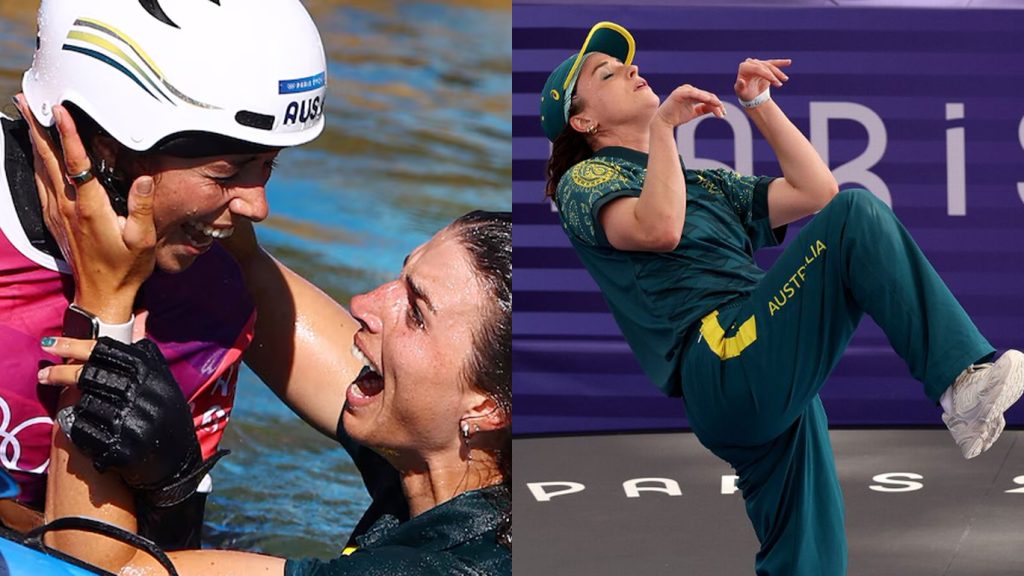
After winning two gold medals in the canoe slalom events, Jess went up against her younger sister in the cross event. Jess was not able to make it into the finals, but the delight and excitement she showed for Noemie making it through, was only out-shadowed by her obvious pride and joy when her sister won gold. Jess jumped into the water to congratulate Noemie in a display of sportswomanship that the ethos of the Olympics would be proud of.

Australia cheered. Proud to have such gracious champions wearing the green and gold.

Jessica and Noemie Fox celebrating in the water at the Paris Olympics and Rachael Gun AKA Raygun with her Olympic breakdancing kangaroo move

Then came the Olympic event that has literally rocked not only the nation, but the world.

You’d have to be living under a rock if you haven’t seen the public outcry after Australia’s best female breakdancer hit the stage at the Olympics to put a spotlight not only on this newly included Olympic sport, but also Australian’s most outstanding dancing talent.

Now many of you may read the above sentence with sarcasm after what was delivered by Rachael Gunn – AKA “Raygun”, however if you are to believe the Australian Olympic Committee, then that is exactly who they put forward to represent Australia.

The outcry came after “Raygun” displayed moves that included The Sprinkler, hopping around like a kangaroo and convulsions on the floor to name just a few. The issue with her performance is that many of her moves were neither breakdancing nor did they appear to be respectful of the dance form. “Raygun” herself admitted “I was never going to beat these girls on what they do best — their power moves. What I bring is creativity.” This mindset alone is a far cry from what the world has come to witness, where Olympic athletes do everything in their power to put their best foot forward as they go up against the world’s elite in their sport.

Earning herself zero points and becoming a viral sensation (for all of the wrong reasons), has proven that even ‘creativity’ has it’s time and place, and it clearly isn’t on the world’s sporting stage. Many people are now coming out saying that we should back her because she was brave enough to give it a go. As a professor at Macquarie University in NSW, I would stick my neck out and say that Rachael knew exactly what she was doing and would have been very aware of the response she’d get. Furthermore, if she had won other events to enable her to make it onto the Olympic team, I would hazard a guess, that her performance was a far cry from her best.

We can probably all agree that the routine was ‘creative’ – I’ve seen similar moves on Play School and Hi-5. We could probably also agree that it was some lighthearted fun that has left us all talking. But was it worthy of an Olympic performance and was it fair that a more serious dancer lost out on an opportunity? What “Raygun” has ensured, is that breakdancing will likely never be an Olympic sport ever again.

Yes, Australian’s are laid back and don’t mind a little tongue in cheek humour. If the performance was delivered at a high school assembly or a backyard BBQ, it would have been received far differently. However it was distastefully done – on the wrong stage and in front of the wrong audience.

When we look at how the Fox sisters and how Rachael represented Australia, we can all agree that the values and ethos of the Olympics brand was upheld by the sisters. The Olympic brand is strong. There is pride in being able to call yourself an Olympian where you get to compete against the best – even if you don’t win.


Get these random brain-farts and other interesting branding bits and bobs directly in your in-box. Join here.

Will I ever trust Uber again?

Posted: April 19th, 2024 | Posted in Uncategorized |

I had just finished a speaking event in Brisbane. Adrenaline had been pumping for days in the lead up and now it was all over. The celebration dinner was done and it was time to head back to my hotel. 

I realised that it was time to refocus and get organised for my early trip to the airport the next morning to fly back to Sydney.

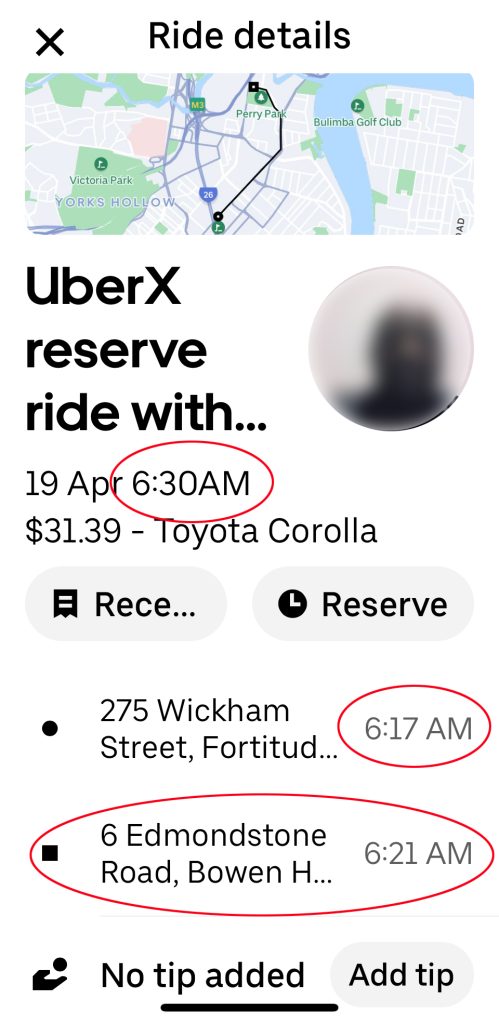
I hopped onto the Uber app and reserved a ride for 6:30am which would get me to the airport in time for my 8am flight.

I received the confirmation notice that my driver Mike would be there at 6:30 but would only stay until 6:35. Ubers way of letting me know not to be late otherwise my ride would be cancelled and I’d be charged the fair.

The alarm went off at 6pm. I checked my phone and all looked good – no notifications from Uber letter me know that plans had changed. I arrived in the foyer at 6:25, dropped off my keys and checked the app to see how far away Mike was.

As I logged into the app I got a notification that my trip was completed and I had been invoiced. I was so confused as the pick up time was still a few minutes away.

I clicked on the past ride to see if I could contact Mike to find out if he was still coming, however there was no way of reaching him. I tried to contact Uber but their “help” is only a preprogrammed bot that does not have an option for “ride marked as complete before even started” or “driver never arrived”.

I clicked some random “other” option and hit submit. Clearly no help was readily at hand.

It was now 6:35am – the time when Mike would be allowed to leave if I wasn’t there. But what happens if Mike never even arrived? I had no way of contacting him or Uber and I had a plane to catch.

I immediately called 13Cabs and got an automated booking service that had my cab booked in under a minute. Could it be this easy? Would someone actually arrive? My phone pinged.

“Yusuf driving cab xxx is arriving. Thanks for choosing 13cabs.”

10 minutes later I was in the taxi heading to the airport and would not miss my flight – no thanks to Uber.

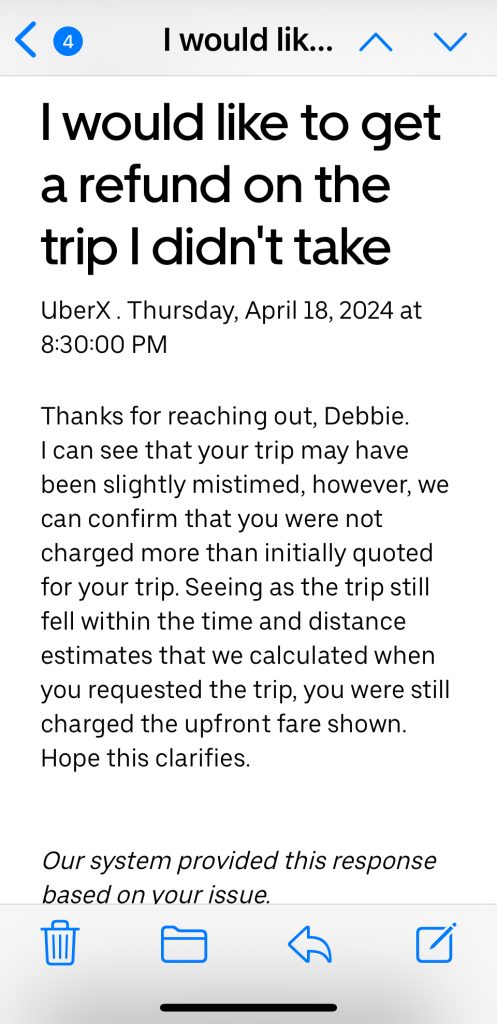
After checking in and grabbing a much needed coffee, my phone pinged again. It was Uber informing me that there was a misunderstanding of the time and that I hadn’t been charged more than the quoted amount. What? Why was I charged at all?

Apparent Mike had arrived at 6:17am, waited 5mins and then drove off to his next job and charged me for a trip that was never taken. 

I’m sorry – what? 

The booking was clearly for 6:30am and as you can see from the trip – I clearly didn’t get it to the airport and Uber still thinks it’s ok to charge me?

News flash Uber – that’s not OK.

From a branding perspective here’s the problem for Uber.

1. My trust in Uber has been broken.

Will I feel secure using their reserve feature in the future? No, of course not because when I needed it most, the service failed.

2. Poor communication channels.

There was no way for me to contact the driver – or any human for that matter. The automated bot didn’t have a solution that could solve my problem at that very moment. Not being able to speak to a human made my experience frustrating not to mention my concern about missing my flight.

3. Not taking responsibility.

After lodging my dispute about the invoice, Uber acknowledged a timing issue but did not offer to refund the amount, instead stating that I wasn’t charged an additional cancellation fee which has left a bad taste in my mouth.

4. Wasting my time.

Now I have to spend my time chasing this refund adding more frustration and discontent.

What would have been a better experience?

1. The Uber driver could have waited until the actual pick up time.

That’s it! Be there when you say you will be there. Wait until the agreed time is up.

I decided to book the Uber ride as it was $20 cheaper than the taxi ride taken from the airport 3 days earlier. My lesson learnt – pay peanuts, get monkeys!

Note to self: remove Uber app from phone.


Get these random brain-farts and other interesting branding bits and bobs directly in your in-box. Join here.

Optus hell no!

Posted: November 8th, 2023 | Posted in Uncategorized | No comments

You could literally hear a collective groan this morning as Australian’s across the country who are on the Optus network, woke to find that their morning procrastascroll ritual was halted in it’s track.

It appears that the Optus ‘Yes’ slogan – which was designed to represent the voice of the customer – is starting to turn into a resounding ‘no’! The Optus woes hit their zenith in September 2022 when they suffered one of the largest cyber-attacks resulting in nearly 10million past and present customers’ data being leaked.

By October, News.com.au reported that 10 percent of Optus customers had decided to let their feelings over the data breach be known by walking away from Australia’s second biggest telco.

With today’s outage businesses, schools, hospitals and transport network communication came screeching to a halt. As someone who never carries cash, it came as quite a shock that I couldn’t buy my morning coffee as the EFTPOS machine didn’t work. Apart from no communication, we now we have a cranky, caffeine-deprived community. Not to mention the loss of income for so many small businesses, taxis and banking services. Then of course there are millions of us mere mortals who are without our trusty appendages. Heaven forbid that my teenagers won’t be able to keep up with their SnapChat streak – unless of course they all crowd into Macca’s for the free Wifi.

Seriously though, an outage that started in the wee hours of the morning and is still not fixed almost half a day later, is unheard of in our world of fast paced technology. Australia is a very small place when it comes to mistakes of this magnitude. More concerning is that it took Optus CEO Kelly Bayer Rosmarin almost six hours to address the Optus crash, only to admit that they had still not identified the source of the problem. If this turns out to be another cyber-attack, how have they let this happen – again? Can Optus come back from what is being named as the biggest national phone outage ever?

While Telstra and Vodafone rub their hands with glee, knowing full well that this could be their early Christmas present, the question must be asked if this is the death knoll for Optus. Mistakes happen, we all get that, however, the way Optus handled both the data breach and now this outage has clearly left a bitter taste in customers mouths. Branding isn’t about the logo, pretty colours or fancy stores. The brand is about reputation, about how you make your customers feel and what they say about you when you aren’t in the room. You don’t have to be a genius to know that the brand damage from this outage will have long term repercussion for Optus No.

We’re taking bets on what percentage of customers Optus will lose with this massive faux pas.


Get these random brain-farts and other interesting branding bits and bobs directly in your in-box. Join here.

Censored Author

Posted: November 30th, 2022 | Posted in Uncategorized | No comments

🤬 HOW I BECAME A CENSORED AUTHOR 🤬

I recently launched my book Brand Magic, How to Build a Brand with Personality. All very exciting, however there is a crazy story about censorship with this book that I’m finally able to tell!
⠀⠀⠀⠀⠀⠀⠀⠀⠀
The short story is that I am officially a censored author! The long story is…
⠀⠀⠀⠀⠀⠀⠀⠀⠀
I decided to print the books in China due to the cost savings. They were pretty good to deal with. The books were printed, packed and ready for shipping until…
⠀⠀⠀⠀⠀⠀⠀⠀⠀
The Cultural Bureau did a spot check at the printers and deemed that my book contained “sensitive content” so was refused permission to leave the printers let alone the country!
⠀⠀⠀⠀⠀⠀⠀⠀⠀
My book is all about branding and personalities. There is nothing political, offensive or inciting. I was shocked and utterly confused.
⠀⠀⠀⠀⠀⠀⠀⠀⠀
It turns out that under The Caregiver Brand Personality as part of a list of names, I mention the Dalai Lama! He is simply listed, no sentence or further content – just a name. I was informed that the Cultural Bureau had seized one of my books and would make a decision that would either delay the delivery of the books by months or result in the books being terminated!
⠀⠀⠀⠀⠀⠀⠀⠀⠀
What??? Coming from a democracy where we have freedom of speech, this was very confronting. I was being dictated to as to what I could or couldn’t put in my book!
⠀⠀⠀⠀⠀⠀⠀⠀⠀
We had to kick into gear and solve this problem. For the sake of getting this long awaited books out, I opted to resupply the “sensitive content” page. All books were removed from the pallet, unboxed, has the single page reprinted and replaced and we were back on track.
⠀⠀⠀⠀⠀⠀⠀⠀⠀
Will this make a difference to your enjoyment of the book? No. However, this one page has been altered to comply with censorship and was not my original plan.
⠀⠀⠀⠀⠀⠀⠀⠀⠀
The censored book can be bought on Amazon or through our website, however the Kindle version is uncensored.
⠀⠀⠀⠀⠀⠀⠀⠀⠀
Crazy but true story!


Get these random brain-farts and other interesting branding bits and bobs directly in your in-box. Join here.

The small lessons learnt from a 6 star brand experience

Posted: June 11th, 2021 | Posted in Uncategorized | No comments

It’s not often that you get to celebrate 20 years of marriage. So in true celebratory mode, my husband David and I, chose to spend a long weekend at the 6 star lodge in Wolgan Valley called One&Only. 

To say that we were blown away is an understatement! As a brand strategist I couldn’t help but marvel at the brand experience they created for us and felt that it was my duty to relay such attention to detail – as I do believe that each and everyone of us can learn from this 6 star business.

I must confess that my initial experience with the One&Only brand wasn’t earth shattering. The website, which was my initial point of contact, had me rather confused as I fumbled my way through trying to find out what was on the spa menu and what activities where on offer. This part left me a little frustrated and to be honest I gave up in the end.

However, I’m really nit-picking here as there really wasn’t much else to fault this brand on.

Prior to our getaway, I received an email reminding me of our visit. They redeemed themselves as attached to the email were about 8 pdf files that went through all their additional activities and how to book them.

The day before departure I received a phone call from One&Only to check if I had received everything and ask if I had any questions. I was able to immediately book in our day spa session, so I was happy. I was at this point informed that we would receive a complimentary lunch which we could enjoy on the day of our arrival or departure. We chose to do this on the day that we arrived.

The drive over the Blue Mountains from Sydney is beautiful and as we descended into the Wolgan Valley we could literally feel the stress fading away.

We were met at the gate where our bags were unpacked and tagged and popped into the 4 wheel drive that took us up to the lodge. We were greeted with hot towels and taken straight to enjoy a sumptuous lunch with delicious local Mudgee wines. Lunch overlooked the grounds dotted with kangaroos and wombats! I can only imagine how overseas guests would have felt being so close to Australian wildlife.

So here’s what I noticed.

Everyone that we came in contact with was incredibly well trained and knew all about the company, activities, history, wines and food. I just love that the brand supports local industry with food and wine sourced from the area. The products in the day spa are all from an Australian company called Sodashi and these products are also found in your villa. Another Australian brand that they support is R.M Williams. Staff (other than management) wore deep blue R.M Williams jeans with an R.M Williams belt. It all added to the distinctly Australian bush experience that they were creating. Now all I want is one of their belts!

The staff all greeted us by placing their right hand over the heart which made us feel acknowledged and special. 

When we checked in, we were personally escorted to our villa and given a tour to show us where everything was and how to work it. Our bags had already been delivered and were neatly stowed in the massive walk-in robe/dressing room. Apart from our own personal pool, fluffy white robes, a shower with a glass ceiling and a double sided fireplace, they focused on the small things too…

Every villa was provided with a sketch pad and pencils for those, like me, who love to dabble in drawing. There were books and magazines, the newspaper delivered daily, mountain bikes on our porch for exploring the property, a backpack to pop our complimentary sunscreen and drinks in when going on an outing and of course Australian organic tea and coffee.

The weekend was pure luxury but it was how they made us feel that ensured that our experience was an unforgettable one.

For example, on our second night, they ran out of the red wine that we had enjoyed the night before. As an apology for this (really not their fault, right?) I was offered a glass of French champagne instead of the Prosecco that I was quite happy to enjoy. The manager then ducked into the cellar and was able to find the very last bottle of that vintage that we loved. This bottle was kept on our table all night so that no-one else in the restaurant could drink it.

What impressed me most was not the big impressive offerings at the lodge (although they certainly were outstanding), but rather the attention to detail on the small seemingly insignificant things.

The sound of the wooden chimes (rather than metal) that we heard as we walked up to the day spa. The fact that staff remembered us and greeted us by name when we arrived for our meals. It doesn’t cost a cent to be polite, to smile and to make people feel welcome, yet so many businesses overlook this very simply offering.

It took 6 star service to remind me, that this is something that each and everyone of us could be doing in our business right now.


Get these random brain-farts and other interesting branding bits and bobs directly in your in-box. Join here.

When ‘doing good’ can turn a brand bad

Posted: January 28th, 2020 | Posted in Uncategorized | No comments

The Australian bush fires have certainly made an impact on Australians and the world stage. People have lost loved ones, homes, businesses and pets. Our once buzzing tourist trade is dwindling to nothing as overseas visitors are choosing less charred soils to explore and fresh air destinations to enjoy.

In the meantime, millions of dollars have poured in from around the world to help our scorched nation get back on its feet. People and organisations have trusted that their well-meaning donations will end up in the right hands to help those who need it most.

But it appears that while we have plenty of good Samaritans out there, one of our most trusted charity brands, the Red Cross has admitted that they are withholding up to two-thirds of their $115million donations, and that 10% of this will be used for administration purposes. As a result, our faith in donating to large organisations is dwindling.

In a recent report by 7News, the Red Cross admits that they may withhold funds to go towards future disasters such as cyclones or floods. The problem with this is logic is that people have donated now, for those who need help, now. They don’t want their money quarantined for another disaster.

Unfortunately, the Red Cross has burnt their brand with this behaviour, partly because, in the past donors have trusted that the Red Cross will ‘do right’ by Australian people in need. This latest bombshell breaks this trust.

When it comes to building a reputable and trustworthy brand, consumers look to the brand promise, it’s consistency and its actions for a moral compass on how they behave. When mixed messages start coming through, confusion and suspicion start to creep in.

As recently as November 2019 Judy Slatyer, Red Cross CEO in reference to the ‘Help Aussie Farmers’ campaign was quoted in saying “It’s going to be a long hard road ahead for farmers and their communities. People can still donate and 100% of all donations are going to severely drought-affected farmers.” It comes then as no surprise, that donors may expect the same treatment of their bushfire donations as they would the Aussie Farmer donations. What is not common knowledge is that Red Cross on most occasions uses 10% of donations to fund administration costs. Poor communication is one of the key driving factors

What we have here is a case of donors expecting one thing and the charity doing another.

Now I don’t want to make the Red Cross out to be all bad, as on the whole, they do a tremendous amount of good. However, when huge donations of funds are involved and emotions are running high, this is no time to behave in a way that will make people distrust that the donations that they have made will be used for anything other than what they are intended.

The effect of the Red Cross’s behaviour is far reaching and doesn’t just reflect on them. As an industry, all major charities will come under fire and scrutiny. Without trust in a brand or an industry for that matter (we saw this with the banking sector), people may choose to donate to more local causes, where they can actually see a difference being made. This will be great for grass-root organisations and has in fact made organisations such as B1G1 a popular alternative particularly for businesses.

B1G1 has an easy to access online service where you can choose amongst hundreds of initiatives that you would like to support. Some support requires as little as 50c to help a project. All B1G1 projects are in line with the Sustainable Development Goals set by global leaders. They also promise that 100% of your giving goes to the projects you choose. B1G1 lets you track every single impact you create in real time through impact counters and interactive maps. This brand is truly looking at how to solve a problem while offering transparency.

Trust, communication and transparency are integral parts of any brand. Once any of these elements falls flat it is extremely difficult to gain back the trust and reliable reputation. The raw reality is that your consumer or supporter is not interested in what you say, they are interested in what you do. Actions always speak louder than words.

So what should the Red Cross do to help mitigate this brand damage? For one, they need to communicate better. Secondly, they should ensure that there is complete transparency when it comes to where they are spending the donated money and how people can get access to it. By demonstrating how they are helping and who they are helping, they will over time be able to build back trust. But this is a challenging emotion to overcome and some may not be as forgiving.

It would be a shame for people to lose faith in the very charities that are supposed to help, support and care for those in need.


Get these random brain-farts and other interesting branding bits and bobs directly in your in-box. Join here.

Meme and Shame

Posted: September 22nd, 2019 | Posted in Uncategorized | No comments

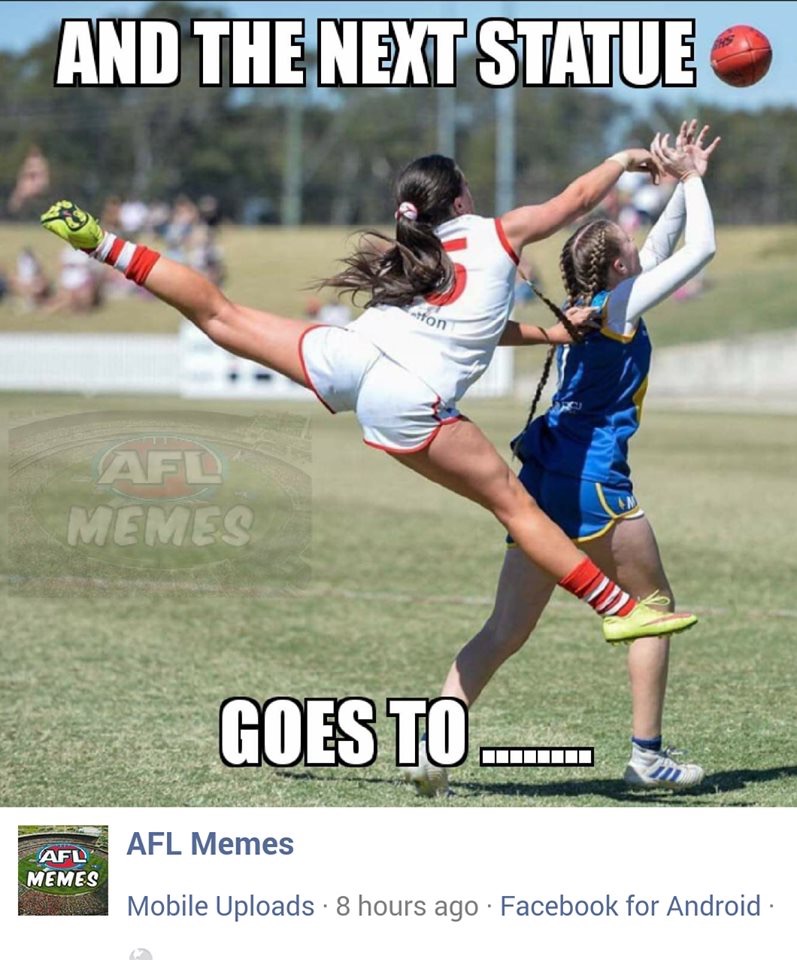
Dear “AFL Memes” Social Media Managers

It saddens and disappoints me that a page with so many followers has chosen to go down the route of degrading women with what is nothing less than crude and juvenile humour.

Over the weekend you posted a meme about a female St George Dragons AFL player who did a mid-air split jump to spoil a marking attempt by Holroyd Parramatta.

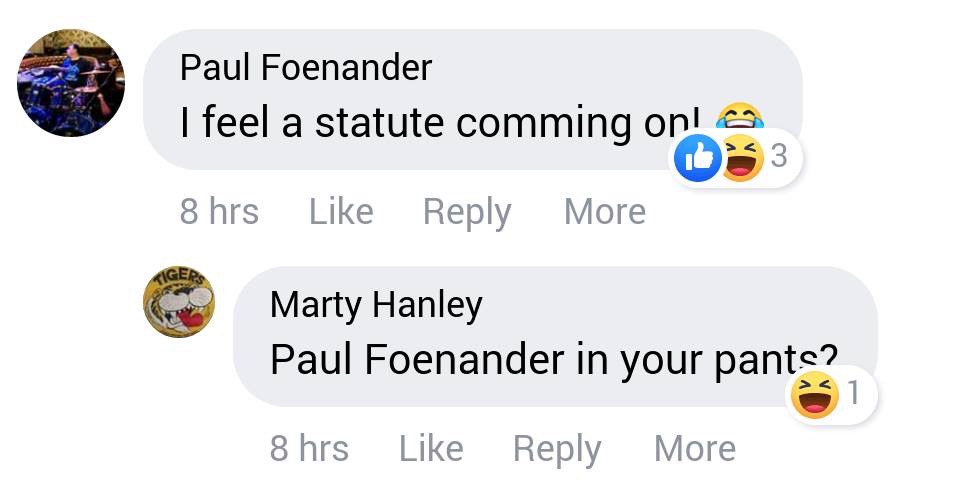
The sad part is that the young woman you have chosen to degrade is in fact only 17 years old. The mind air splits that player Erin Wardrop (yes, she is a real human and has a name), achieves is nothing short of an incredible feat of athleticism. I have yet to see a male player perfect a move like this. However, you chose to turn this strength and determination into gutter smut for the infantile pleasure of what appears to be a growing audience for the footy codes of Australia. The comments made by some of the men on social media is stomach churning.


It’s unfortunate that the footy codes in Australia have gained the reputation of abusing alcohol, drugs and women. The AFL and NRL are currently in a state of brand crisis with this type of culture running rampant amongst some of the players and clearly from a fair few of the supporters. And it’s these types of posts that fuel the reputation further.

The disappointing part is that you had an opportunity to use this image for good. You had the perfect platform to highlight just how amazing the female AFL players are and, to throw down the gauntlet to male players challenging them to perform such a move. You had the chance to help redirect the AFL brand into a better light rather than cement the current perception.

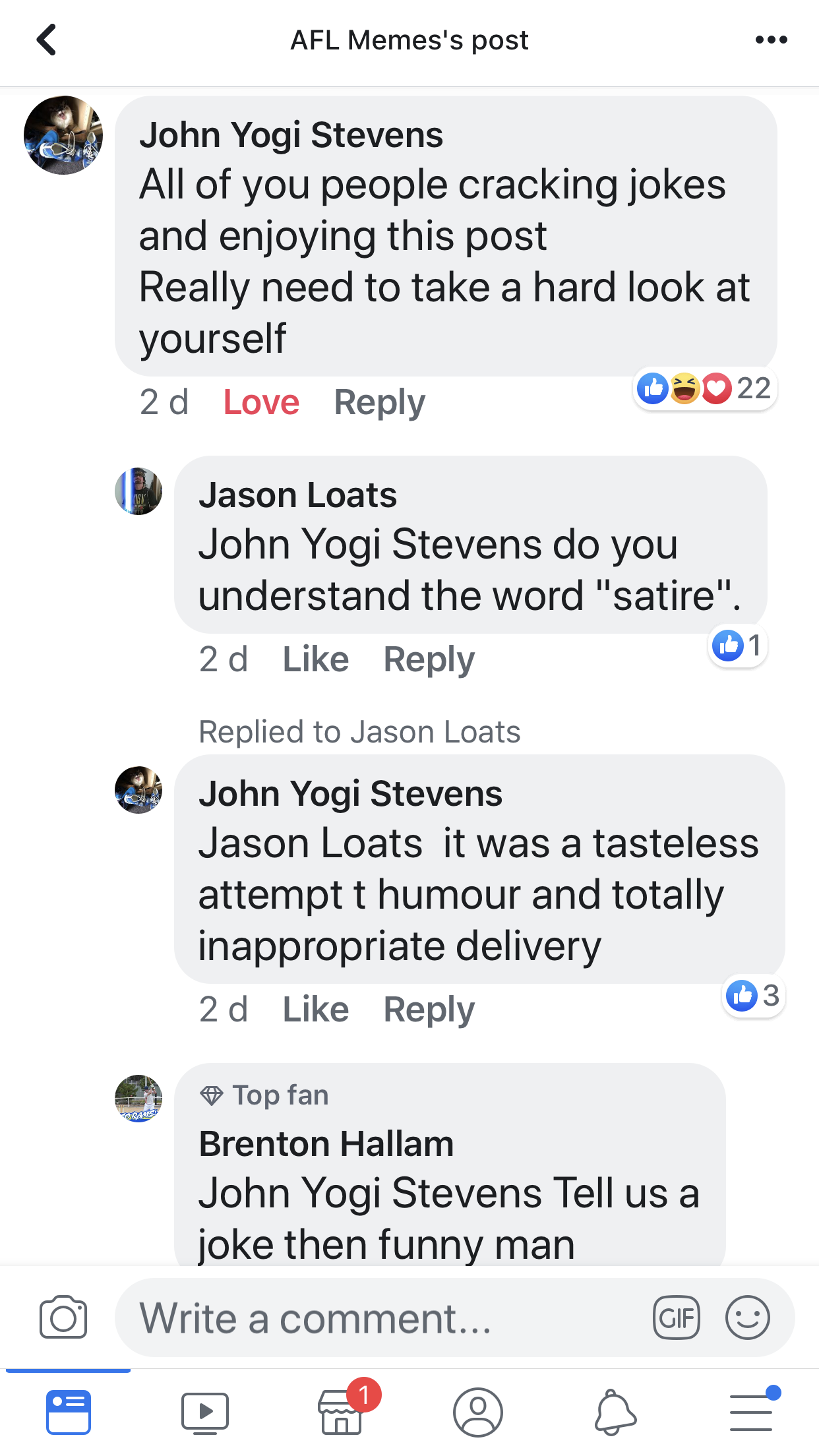
But here’s the thing, “AFL Memes” Social Media Managers, there are so many good men who not only play the game but that support it too. These gentlemen don’t find humour in bad taste memes. They understand the difference between what is appropriate and what isn’t. These good men can recognise that the sexualisation of such an extraordinary achievement of athleticism is nauseating. I noticed that some of these good men were commenting on how inappropriate the post was, yet they got shot-down themselves.

The good men understand this as a major problem not just in the footy culture, but our Australian culture too. What if the next woman to be objectified was their mother, sister or daughter?

You should be looking to these gentlemen as a moral compass guide. Use their standards of how to treat women for a better code of conduct, and help improve and enhance the reputation of the brand for all footy codes.

“AFL Memes” Social Media Managers, I implore you to think of the influence you have over your audience. Before you post, please consider the young men and women who will see these memes and be mindful of the affects you can have on them, the type of behaviour you are endorsing and on the brand perception of the AFL.

You have an incredible opportunity to do good. Wit is one thing, smut is another. Be good humans. Stand up for those who are creating amazing things in this world. Prove to all of those watching, that footy fans and players are intelligent, mindful and respectful. Help change the brand of AFL. Help create a better world for our families to enjoy good, healthy and respectful sports. Help eliminate sexual objectification, not promote it. Raise the bar and be role models for others to follow.

Be kind. Be courteous. Be good.


Get these random brain-farts and other interesting branding bits and bobs directly in your in-box. Join here.

Lord of the dance

Posted: January 11th, 2019 | Posted in Uncategorized | No comments

And just like that 2019 is upon us. I took a much needed break over the holidays which included a full social media detox!

At first it was hard as I felt as though I was missing out, but after a few days I realised that I didn’t miss it at all, and I was able to find time to think. Really think.

As I sit here writing, the tune of a hymn from my boarding school days rings in my ears…

“Dance then, wherever you may be
I am the Lord of the dance said He
and I’ll lead you all wherever you may be
and I’ll lead you all in the dance said He.”

As per the four or five years past, I have a word for 2019.

My word this year is ‘Dancer’.

This word has a lot of meaning to me at the moment. Partly because I have just been through what I can only describe as the hardest month I’ve experienced in 16 years of business. I won’t go into details, but lets just say that I was delivered a few hefty blows – four to be exact. And they left me reeling. For most of the month I operated in a fog. I could hardly see one step in front of me – let alone be an inspiring leader, creative director and consultant!

I was in shock. I was devastated and overwhelmed. I felt abandoned, but most of all I was cranky at myself. Why? Well, this is the second reason why Dancer is so important to me. It’s because I have been getting up everyday, putting on a brave face that was focused on pleasing everyone else but myself. Being a business owner is hard. There is so much responsibility. So much that it’s exhausting!

Apart from bringing in work, managing workflow, systems and procedures, servicing clients and paying the bills I also take my responsibility to look after my staff very seriously. You know the drill, pay wages, manage holidays, ensure that they are happy, inspired and motivated. Yet in the process of giving to clients, the team, contractors, suppliers, colleagues and everyone in-between, I was becoming depleted. No one (including me) was looking after my happiness, inspiration or motivation. I was running on empty with nothing to replenish my tank.

I was dancing to everybody else’s music.

But that was so 2018.

This year I am the Dancer.

I choose the music. I choose what beat I want to move to. I choose how fast or slow I want to dance and I choose who* I want to dance with. This is my year to move, pivot, leap and stretch.

I am excited.

And if I’m honest I am also a little nervous and more than a little petrified! But that’s good right?

The rehearsal has been practiced for 16 years. Now it’s showtime. The stage is set, the curtain is up. It’s time for me to press play and step into the spotlight to dance to the rhythm of my own drum.

“Dance then, wherever you may be
I am the Lord of the dance said She
and I’ll lead you all wherever you may be
and I’ll lead you all in the dance said She.”

* I don’t work with assholes


Get these random brain-farts and other interesting branding bits and bobs directly in your in-box. Join here.

Coles flips while their brand flops

Posted: August 13th, 2018 | Posted in Uncategorized | No comments

It seems that Cole can’t make up their mind.

Do they support plastic use, are they against it, should they supply bags for free, perhaps for a limited time, or maybe forever, no lets go back to a limited time.

Clearly they have no clear environmental policy or strategy, and their indecision on what option to use fluctuates more than a 15 year olds decision on what selfie to post!

The backlash to Coles ban on single use plastic bags has left consumers feeling insulted and frustrated. Initially, the concept was to remove single use plastic bags from their supermarkets in the attempt to help the environment. Well, that is what we were lead to believe. But it is quite clear that Coles has used the eco-warrior ruse to jump on a money-making band wagon.

From their actions, it appears that Coles has absolutely no regard for our environment, or for the intelligence of their customers.

Did they think that we would be fooled?

Firstly, according to an analysis by Queensland University of Technology retail expert Dr Gary Mortimer, Coles and Woolworths stand to make roughly $71 million in gross profit by replacing free lightweight plastic bags with the heavier 15c bags. This excludes profits from their more environmentally friendly material bag options which are being sold for $1-$3 per bag!

Secondly, banning single use plastic bags only to replace them with heavier plastic bags, still results in the use of plastic bags. The thicker ones may last slightly longer, but they too will break and end up in landfill. And lastly, not even a month after banning the plastic bags, Coles brings out a promotion that involves customers being rewarded with plastic covered, plastic toys for every $30 spent. These ‘Little Shop’ toys clearly show Coles lack of brand alignment when it comes to the environment.

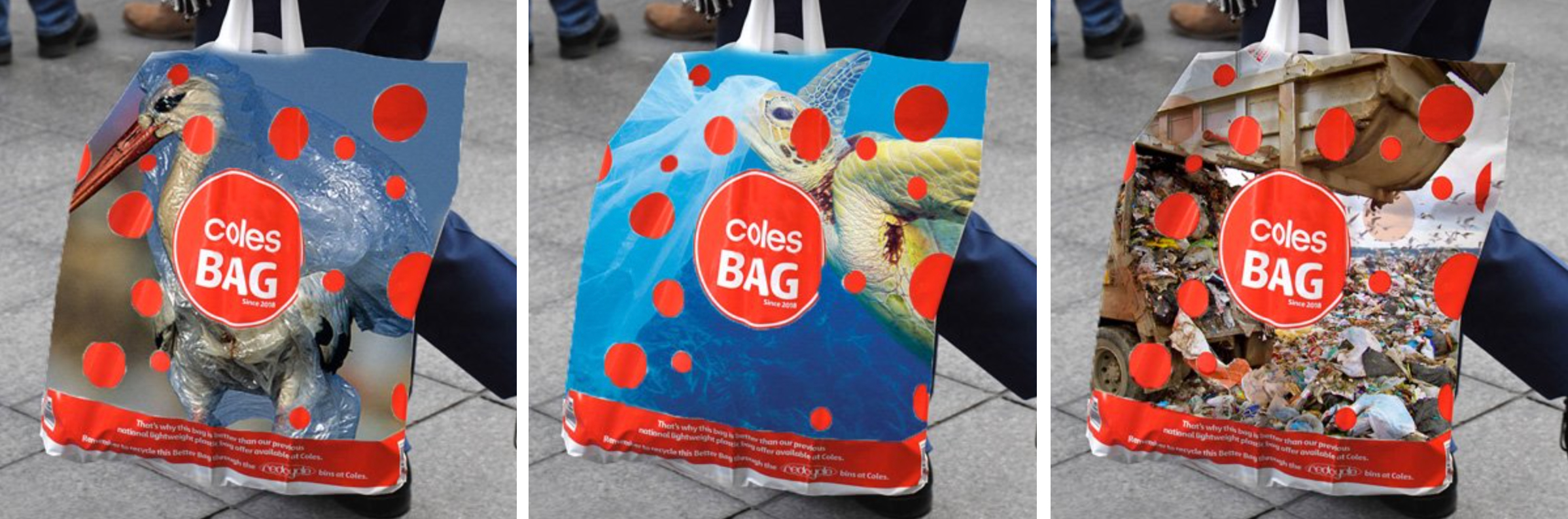
The backlash to all of this behaviour has left consumers with a very bad taste in their mouths, and they have taken to social media to share the views on the topic. A campaign stating ‘COLES just ditched the plastic bag ban! SHARE if you will now ditch COLES’ has gained traction even though Coles has flipped back to a limited time on free 15c bags. Environment Victoria went to social media and shared a range of new thicker plastic bag designs for Coles to distribute which show the damage to wildlife and a beach affected by litter.

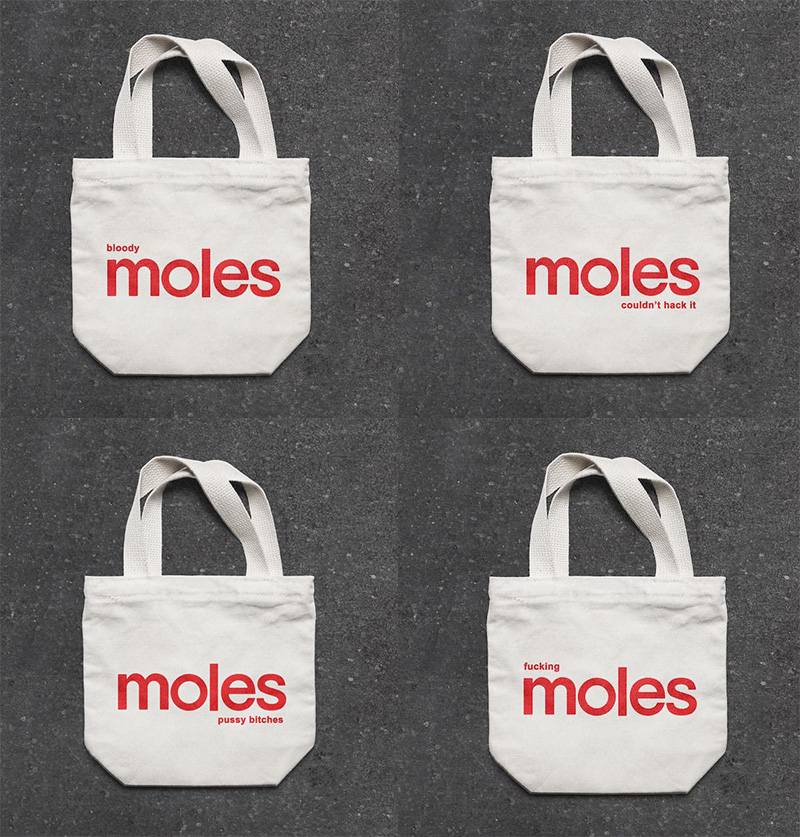
Coles Moles plastic bag brand damage

But it doesn’t end there. A website called fuckingmoles.com has been launched where you can buy your Coles Moles reusable cloth bag (which will last way longer than a plastic bag). You can now show your distaste for Coles’ plastic bag ban backflip, with a reusable bag that gives the supermarket giant the big ol’ middle finger.

The damage to the Coles brand is proving to be far more than they would have anticipated.

This move to single use bags reeks of money, deception and lies. The back flipping could rival Olympian gymnasts but the question is, will the Australian consumer support this trumped up, deceptive behaviour. Or will they choose to talk with their feet and head to supermarkets such as Aldi, Woolworths or IGA?

If Coles wants to maintain their position as one of the super-super market giants, then they are going to have to take a very close look at their brand alignment and bring some authenticity into the mix.

It’s not what you say Coles that matters, it’s what you do.


Get these random brain-farts and other interesting branding bits and bobs directly in your in-box. Join here.

Condescending GIO advert makes women look stupid

Posted: May 16th, 2018 | Posted in Uncategorized | No comments

In a world where glass ceilings are still so prevalent and industries are notorious for undermining and underestimating the power, intelligence and determination of women, it is disappointing to see one of our largest insurance companies view their opinion of women to the entire nation.

It appears that GIO sees women as stupid, uneducated fools that have no idea what insurance they may or may not have. In their recent ‘You Know With GIO’ campaign that has aired prolifically during the Monday screening on Channel 7 of The Mentor, GIO has an advert which is both condescending and undermining to women.

I can imagine how the situation unfolded…

The marketing team (or Leo Burnett to be precise) was called in to brainstorm areas of customer concern or pain points and then to problem solve these with solutions that GIO can provide the client. With painstaking research they discover that most people don’t know what they are covered for. Bingo, they have a strategy. This all seems perfectly harmless and quite frankly it’s standard marketing practice.

However, it is in the execution of the advert that the GIO marketers have fallen far from the mark. GIO replied to a tweet of mine saying “it’s (the advert) designed to be an education piece based on the insight that many people may not know what they are covered for.”

The problem with this is that the ‘many people’ in the advert only appear to be somewhat dazed, unsure, confused women. Not a single man was shown not knowing what they are covered for.

Gender bias? Absolutely.

Condescending towards women? Without a doubt.

Perhaps GIO should look further into their ‘insight’ to determine exactly how many women are organising insurance. I would imagine there would be a fair amount of us. Which means that their condescending brand is insulting the very customers they are trying to attract.

Now I’m sure that the advert appears in many time slots however I find the positioning of the advert during a small business program interesting. Clearly GIO has done their research and gained from the 2016 census that more women are starting and running businesses than ever before. And no, we are not all helpless, unknowing, pathetic souls who have no idea about our insurance.

If your clients are unclear of what they are covered for GIO, perhaps you should look at how you are communicating with them.

As a business owner of two companies, the decision maker on our home and content insurance and the one who manages our investment property insurance, I can assure you that I will make a very educated decision not to support a brand that undermines women. The omission of depicting a clueless man in your advert screams loud and clear to the nation, that GIO believes that only men know about insurance.

Irresponsible advertising and guilt by association

Posted: March 22nd, 2018 | Posted in Uncategorized | No comments

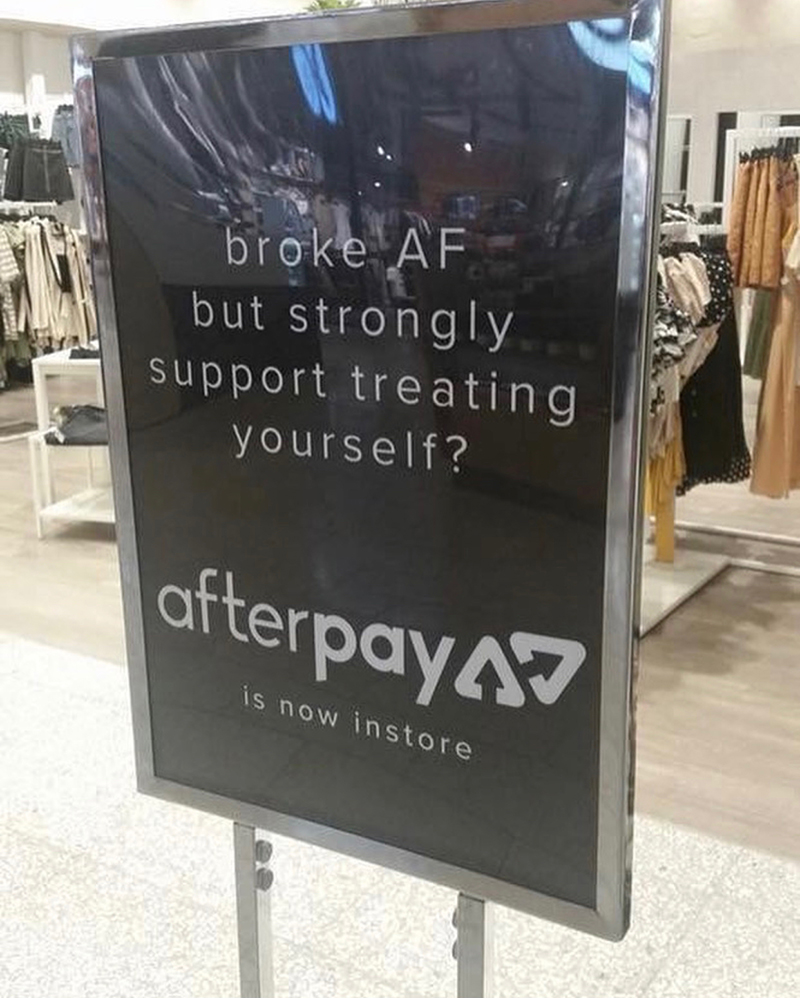
I saw an Instagram post recently that showed a poster in a shopping centre that read:

“Broke AF but strongly support treating yourself?”

It had the AfterPay logo at the bottom with the words ‘is now in store’.

Irresponsible advertising with the AfterPay logo Broke AF

With Australian household debt the fourth highest in the world, and a net national debt accruing interest of $31,664,835,069, it is clear that many Australians are struggling to get on top of their debt. This however is not a post about finances but rather about irresponsible advertising.

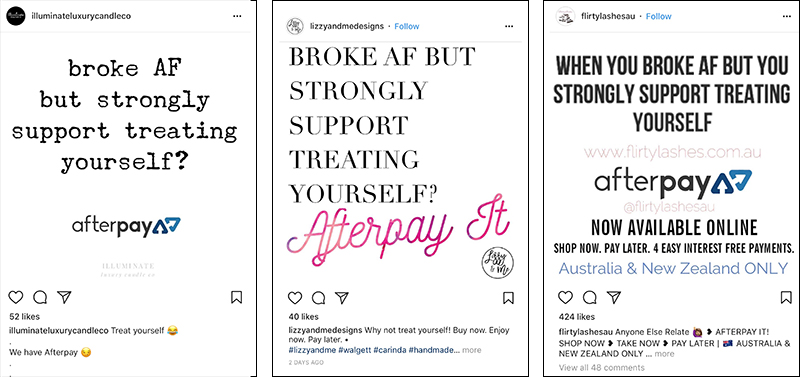
The words on the poster have also be used in social media posts. And while some may think that this is funny, the debt crisis and the affects that it has on lives is not as amusing. Financial issues were cited as a factor in more than one in four marriage break-ups, and are considered the top cause of stress which leads to mental health issues such as depression and anxiety. The damage of this snowballs as statistics from Healthline show that 90 percent of people who commit suicide have a mental illness at the time of their death.

When you realise the damaging effect that this advertising can have on people, it really is unacceptable.

The other concern, is the younger demographic that is being targeted (I’m sure that some of my older readers would have had to Google ‘AF’ to understand what it is referring to). Targeting young, highly vulnerable shoppers like this is outrageous. If they are getting into bad debt habits at a young age, how are they ever supposed to become responsible adult spenders?

Shame on you AfterPay!

But here’s the kicker. The poster was apparently not created by AfterPay, but rather by the store. The problem here is two fold:

1. AfterPay becomes guilty by association

Whether this is a poster created or approved by AfterPay or not, is irrelevant. Their logo is the dominant branding on the poster and is promoting their business. If they have supplied the copy for this poster along with their logo, then they need to take a long hard look at their business values and decide what kind of company they plan to be. If they haven’t endorsed this advertising, they need to reign in what advertising their logo is permitted to appear on. Having an approval policy to determine what advertising is and isn’t allowed to be used will go a long way in protecting their brand against such irresponsible advertising.

2. Fool me once shame on me, fool me twice shame on you

Broke AF promoting AfterPay

When the Instragram post went up about the shopping centre poster, a follower commented that it wasn’t an AfterPay advertisement. The problem with this is that another company on Instagram was seen advertising exactly the same wording with the AfterPay logo in the same spot. A quick scroll through Instagram shows that this poster had been shared multiple times by many AfterPay customers. An oversight? I’ll let consumers be the judge.

Don’t let your brand be negatively effected by the behaviour of others. If your logo is on any promotional material, you have a say in whether it gets published or printed. If it doesn’t fit into your brand strategy, then you have every right to put your foot down and get it removed.

Over to you AfterPay.


Get these random brain-farts and other interesting branding bits and bobs directly in your in-box. Join here.

SaveSave

SaveSave

SaveSave

SaveSave

SaveSave

SaveSave

How to pick the right business name

Posted: August 22nd, 2017 | Posted in Uncategorized | No comments

I grew up in apartheid South Africa. Mum, dad, myself and my two sisters and baby brother. We lived in a small bush town nestled on the border of the world famous Kruger National Park. (It’s where most of my family still live to this day).

The community is filled with people who know, love and support each other. Yes, it is a small town and everyone knows your business (which as a teenager made me want to escape), but everyone has your back – always.

This is why I named by business White River Design after my hometown, White River. (more…)

Confessions of a graphic designer

Posted: July 22nd, 2017 | Posted in Uncategorized | No comments

Are you a plumber with a leaky tap?

As a graphic designer by trade and a brand strategist by profession, you would think that I’d have my act together when it comes to my own personal branding.

But the truth is that I don’t.

(more…)

Pricing matters but customer service matters more

Posted: June 21st, 2017 | Posted in Uncategorized | No comments

Does price matter?

It’s a question that many of us business owners grapple with. Often (especially as start ups) we believe we have to be competitive on price to get our customers to do business with us.

I don’t always agree with this thinking.

A number of years ago my husband, David and I decided that we wanted to (more…)

Debbie O'Connor 2026